Service-centric companies consistently strive to innovate for efficiency, customer satisfaction, and competitiveness. One of the most transformative approaches in this drive is the intersection of Artificial Intelligence (AI) and Enterprise Resource Planning (ERP) systems. By integrating AI capabilities into ERP systems, businesses can streamline operations, gain actionable insights, and drive significant improvements in service delivery.
 The Role of AI in Modern Business
 The Role of AI in Modern Business
Artificial Intelligence (AI) encompasses various technologies, including machine learning, natural language processing, and predictive analytics, enabling computers to perform tasks that typically require human intelligence. AI has revolutionized numerous industries by automating processes, enhancing decision-making, and extracting valuable insights from large datasets. In service-centric companies, AI can significantly improve how businesses manage operations and serve their customers.
The global AI market is projected to grow to $190.61 billion by 2025, at a CAGR of 37.3% from 2020 to 2025.
AI Powered ERP Systems
The adoption of AI has surged massively, shifting from niche discussions to mainstream attention. This transformation is largely attributed to advancements like OpenAI’s ChatGPT, democratizing AI’s capabilities on a broader scale.
Significant investments underscore this trend: Microsoft has committed $13 billion in collaboration with OpenAI, enhancing its products with technologies like Copilot. Concurrently, SAP and NVIDIA have expanded their partnership, aiming to accelerate AI adoption across SAP’s cloud solutions and applications.
Meanwhile, tech giants are racing to lead in AI innovation. Google’s development of BARD and Amazon’s investment in Anthropic highlight intense competition. Meta and Apple are also making strides, each positioning themselves in the evolving AI landscape.
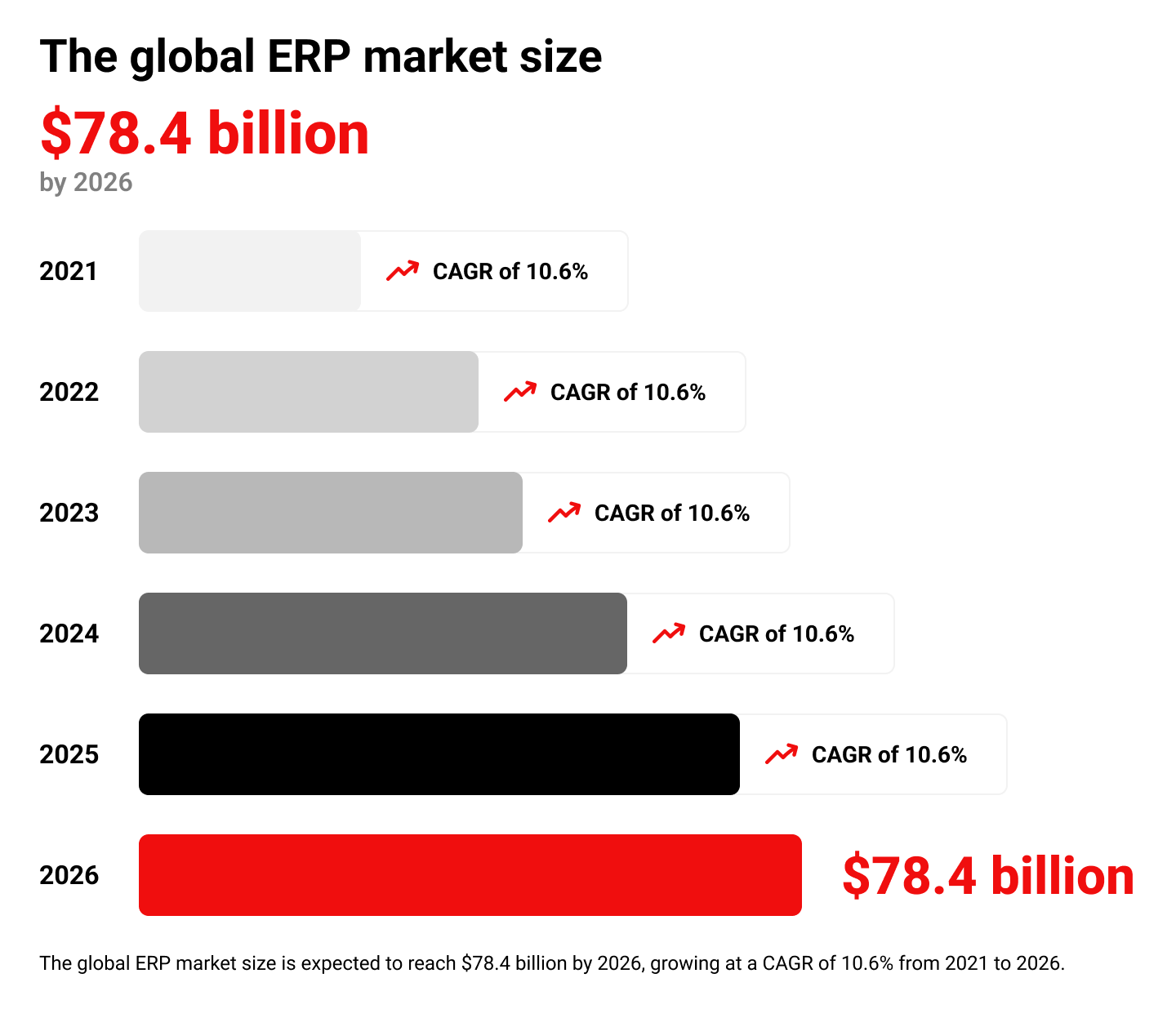
These developments highlight a trend where advancements at the top echelon swiftly influence broader software sectors, including ERP systems—critical components in global enterprise operations. ERP systems constitute 41% of the global software market revenue, pivotal for integrating AI capabilities that enhance operational efficiency across organizational departments.
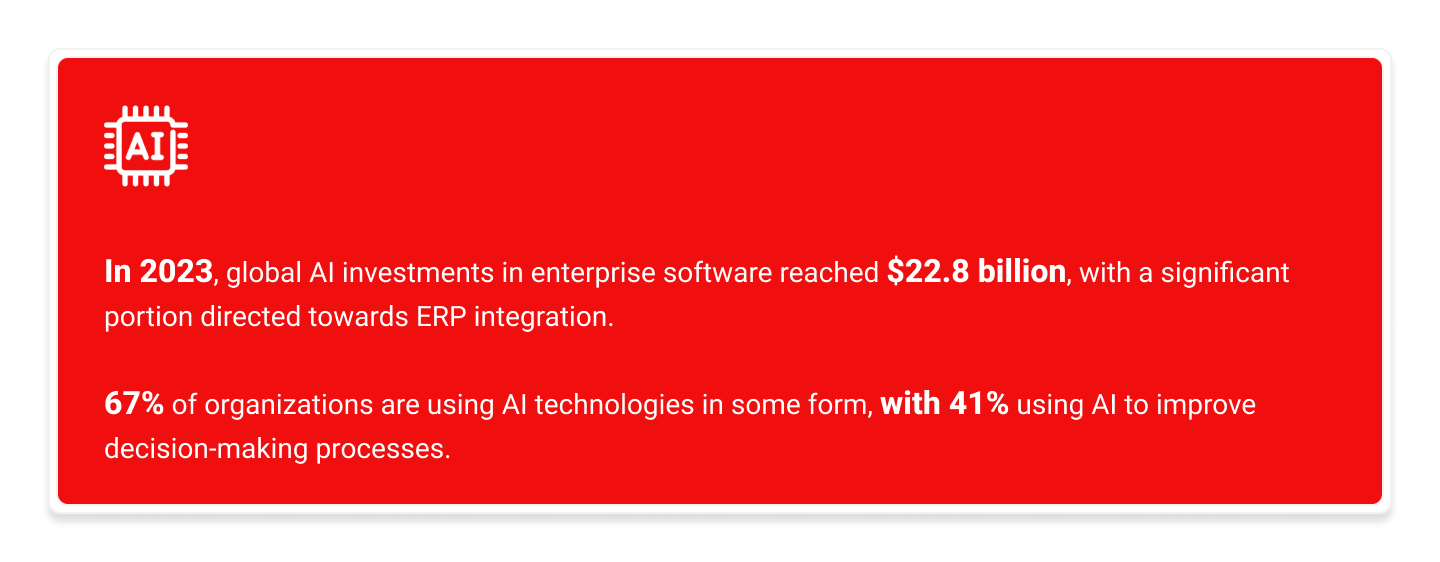
AI-powered ERP systems leverage AI technologies to create intelligent, adaptive, and efficient business environments.
AI Powered ERP Benefits
1. Predictive Analytics and Forecasting
AI algorithms can analyze historical data to identify patterns and make accurate predictions about future trends. In service-centric companies, this capability is invaluable for demand forecasting, resource allocation, and capacity planning. AI-powered ERP systems can predict peak periods of service demand and optimize staffing levels, ensuring customer needs are met without overburdening employees.
2. Automated Process Optimization
AI can automate routine and repetitive tasks, reducing the need for manual intervention and minimizing human error. In service-centric companies, administrative tasks such as invoice processing, appointment scheduling, and data entry can be automated, freeing employees to focus on more value-added activities. This automation leads to increased operational efficiency and accuracy.
3. Enhanced Customer Service
AI-driven chatbots and virtual assistants can provide instant responses to customer inquiries, improving the overall customer experience. These tools handle common questions, process service requests, and escalate issues to human agents when necessary. By integrating AI with ERP systems, service-centric companies can ensure seamless and efficient customer interactions, leading to higher satisfaction rates.
4. Data-Driven Decision Making
AI enhances the analytical capabilities of ERP systems, enabling service-centric companies to gain deeper insights from their data. Advanced analytics can uncover hidden trends, identify opportunities for improvement, and support strategic decision-making. For instance, AI can analyze customer feedback and sentiment, helping companies understand their strengths and weaknesses and tailor their services to better meet customer expectations.
5. Supply Chain and Inventory Management
AI can optimize supply chain operations by predicting demand fluctuations, optimizing inventory levels, and identifying potential disruptions. This capability is crucial for service-centric companies that rely on timely delivery of goods and services. An AI-powered ERP system can suggest optimal inventory levels, reorder points, and alternative suppliers in case of disruptions, ensuring smooth operations.
Benefits of AI Powered ERP Systems for Service-Centric Companies
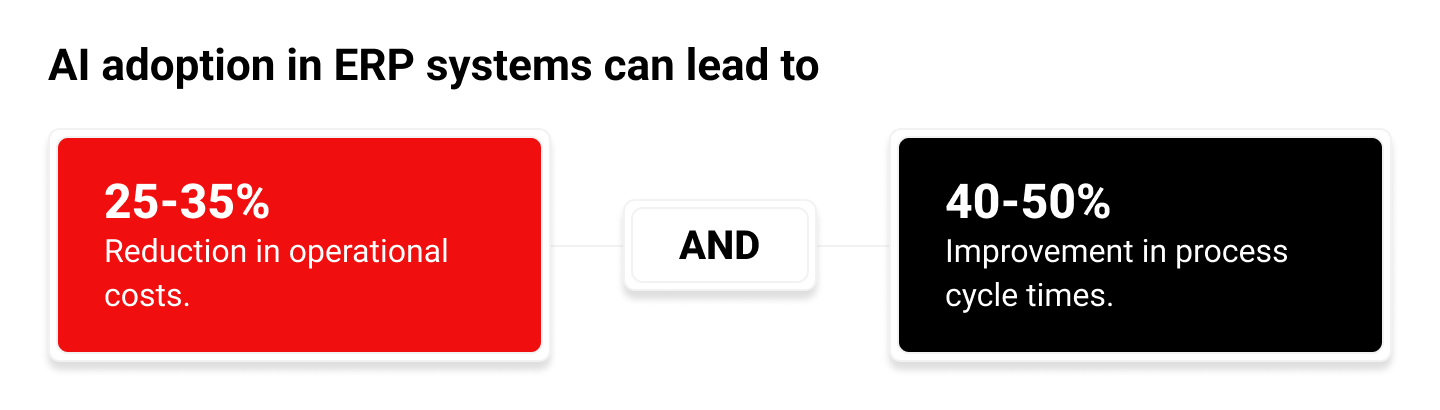
The integration of AI with ERP systems offers numerous benefits that can significantly impact service-centric companies:
- Increased Efficiency: Automation of routine tasks and processes leads to faster and more efficient operations, reducing the time and effort required for manual tasks.
- Higher Quality: Automated tests improve defect detection rates, ensuring higher-quality releases with fewer post-production issues.
- Faster Time-to-Market: Accelerated testing cycles enable quicker releases, giving organizations a competitive edge.
- Cost Savings: Reduced manual testing efforts and early defect detection translate into significant cost savings over time.
- Enhanced Collaboration: Improved communication and collaboration among cross-functional teams foster a more cohesive and efficient working environment.
- Scalability: Scalable automation frameworks can easily adapt to increasing test demands, supporting the organization’s growth.
- Better Compliance: Automated tests ensure consistent adherence to regulatory standards and compliance requirements.
- Data-Driven Decisions: Real-time insights and analytics from automated testing provide valuable data for informed decision-making and continuous improvement.
Challenges and Considerations of AI ERP Integration
While the integration of AI with ERP systems offers significant advantages, there are also certain ERP implementation challenges and considerations that service-centric companies must address:
- Data Quality: AI relies on high-quality data for accurate analysis and predictions. Ensuring data accuracy, consistency, and completeness is essential.
- Implementation Costs: Integrating AI with existing ERP systems can involve significant upfront costs, including software, hardware, and training expenses.
- Change Management: Adopting AI-driven ERP systems requires a cultural shift and buy-in from employees. Effective change management strategies are crucial for successful implementation.
- Security and Privacy: Handling large volumes of data, including sensitive customer information, requires robust security measures to protect against data breaches and cyber threats.
 Emerging Innovations in AI are Poised to Reshape the ERP Landscape
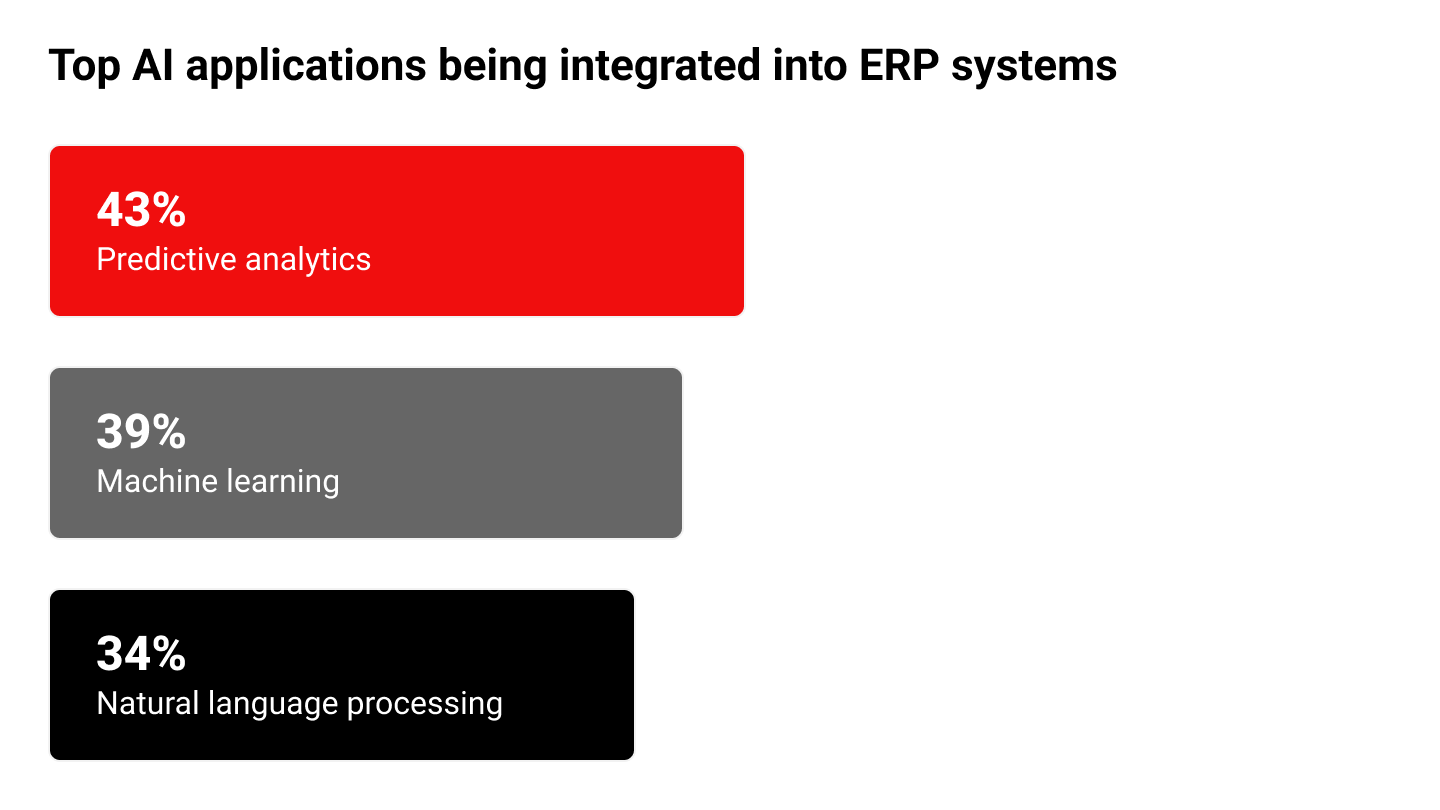 Emerging Innovations in AI are Poised to Reshape the ERP Landscape
- Explainable AI (XAI): With increasingly complex AI models, there’s a rising demand to comprehend the rationale behind AI decisions within ERP systems, fueling the adoption of Explainable AI.
- Hyperautomation: To enhance efficiency, there’s a push towards hyperautomation, deeply integrating AI into ERP software to automate numerous business processes.
- Augmented Intelligence: Combining AI with human intelligence will foster collaborative interactions within ERP environments, enhancing overall decision-making capabilities.
- Cross-Platform AI Capabilities: AI functionalities capable of operating across diverse ERP platforms and integrations will facilitate more cohesive, cross-functional business operations.
Conclusion
In exploring the transformative potential of AI in ERP systems, service-centric companies are poised to unlock unprecedented insights for strategic decision-making. As AI technology continues to evolve, its integration with ERP systems will undoubtedly play a pivotal role in shaping the future of service-centric industries.
To delve deeper into how AI-powered ERP solutions can revolutionize financial reporting and drive business growth, explore our ebook on ‘Advanced Financial Reporting with Oracle ERP; Unlocking Insights for Strategic Decision-Making.’